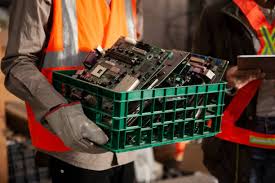
Schools can help young people understand that the life of a product does not end when it is no longer useful to its first owner. Education about extended producer responsibility (EPR) gives students a way to explore how producers, consumers, collectors and recyclers each contribute to better resource management.
Turn everyday electronics into a learning opportunity
A classroom discussion can begin with familiar items such as a phone, charger or keyboard. Students can consider what materials these products contain, why repair and reuse may extend their useful life, and how safe collection helps keep unwanted electronics out of ordinary waste streams.
Ideas for a practical lesson
- Map the journey of a product from purchase to reuse or recycling.
- Discuss how design choices affect repair, durability and recovery.
- Invite students to identify safe local options for unwanted electronics.
- Plan a collection awareness activity with clear guidance for families.
These activities make sustainability more concrete. They also encourage students to ask useful questions about responsibility, material recovery and the choices that shape a more circular economy.
At Bhangariwala, we’re working toward more responsible collection and recovery of electronic waste.